Alarms worth the operator's attention
An effective alarm system is essential for safe and reliable industrial operations. It helps operators recognise abnormal conditions, understand potential consequences and take appropriate action before situations escalate.
When alarms stop helping
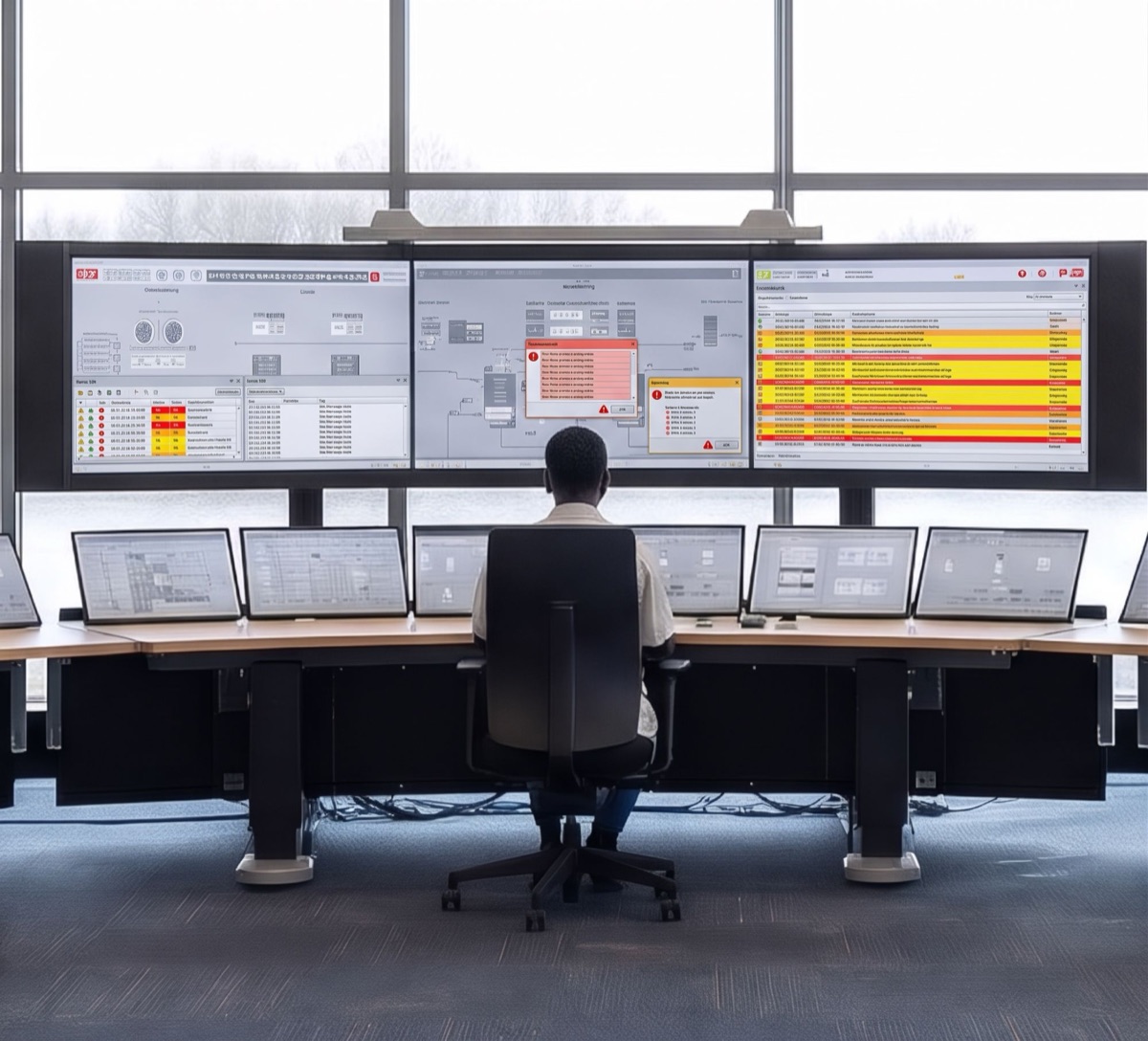
However, poorly designed or managed alarm systems can create excessive workloads, reduce situational awareness and make it difficult for operators to identify the alarms that genuinely require attention. Alarm floods, nuisance alarms and poor prioritisation can significantly affect an operator's ability to respond effectively, particularly during abnormal operating conditions.
At HF Specialist, we approach alarm management from a Human Factors perspective. Our focus is on ensuring that alarm systems support operators' cognitive capabilities, workload and decision-making, while providing clear, relevant and actionable information.
Standards and the alarm management lifecycle
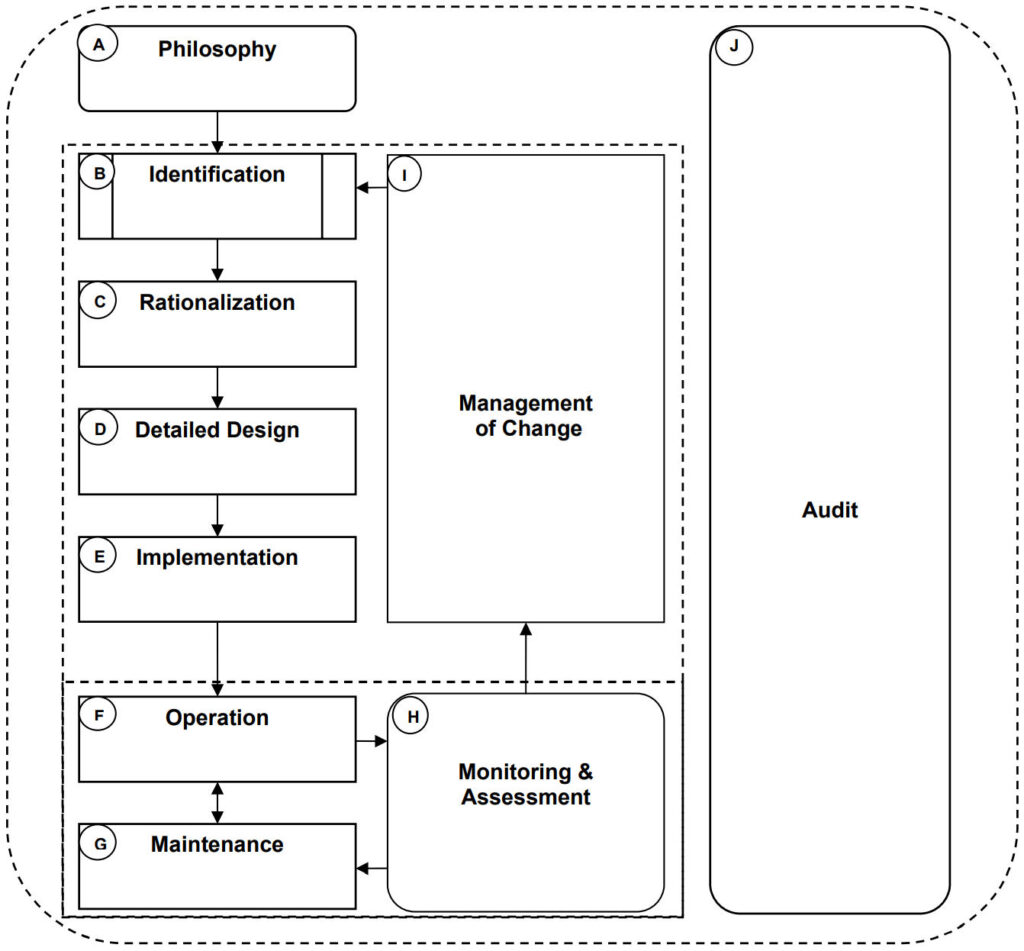
Effective alarm management should follow an established lifecycle approach. The main international references include ANSI/ISA-18.2, IEC 62682 and EEMUA Publication 191.
These provide guidance and requirements for developing, implementing, operating and maintaining effective alarm management systems. The lifecycle covers:
- Alarm philosophy development
- Alarm identification and rationalisation
- Detailed alarm design and implementation
- Operation and maintenance
- Monitoring and performance assessment
- Management of change and auditing
Independent Human Factors expertise for your alarm system
HF Specialist provides independent Human Factors expertise to assess, improve and optimise alarm systems, with particular attention to the interaction between operators, alarm systems and control room environments. Our services include:
Alarm philosophy and strategy
Development and review of alarm philosophies, defining alarm principles, priorities, classification criteria, performance targets and operator responsibilities.
Alarm rationalisation and prioritisation
Review of existing and proposed alarms to ensure that each alarm is justified, correctly prioritised and supported by a clearly defined operator response.
Alarm performance assessment
Evaluation of alarm system performance, including alarm rates, standing alarms, nuisance alarms, chattering alarms and alarm floods.
Alarm HMI and presentation
Assessment of alarm presentation, visualisation, prioritisation and information hierarchy within DCS and SCADA systems. This also includes alarm lists, alarm summaries and large overview displays.
Human Factors and operator workload
Evaluation of alarm load, operator workload, situational awareness and the ability to identify and respond to abnormal operating conditions.
Audits and continuous improvement
Independent assessment of existing alarm management practices, identification of deficiencies and recommendations for improving long-term alarm system performance.
“Our objective is simple: to ensure that alarms provide the right information, at the right time, to support the right operator response.”HF Specialist
Is your alarm system working for your operators?
Tell us about your control room and alarm challenges, and we'll suggest where to start.